
In addition to independent travelers, our Amazon River cruises are great for private charters and field school programs for groups of 6 to 30 participants. Explorations' riverboat cruises on the Amazon River are based out of Iquitos, Peru and the best available. All the ships we use have air-conditioned cabins with private baths. They are designed for people with a love of nature who are looking for adventure in relative comfort. Have fun and learn about South American native cultures and Amazonia, the world's largest forest and river system.
Contact us for current booking discounts! Click on links below for details on each ship and cruises.
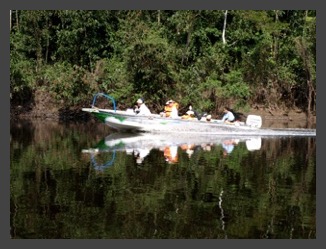 Jungle hikes and small boat excursions will take you deep into the rainforest where knowledgeable, naturalist guides will explain native uses for the various plants, identify wildlife, and reveal fascinating secrets of Amazon lore. You will also visit villages of the various Indian tribes and witness their native cultures. Visits with the various peoples along the river will give you insight into man's relationship with the greatest ecosystem on earth and the fate of the Amazon rainforest.
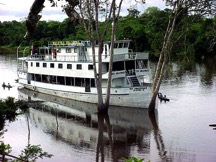
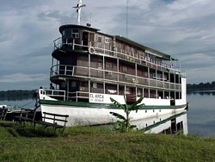
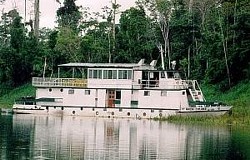
Many of our previous clients from the 1980s and 1990s fondly remember their Amazon River cruises for natural history and sportfishing on the ships M/V Rio Amazonas, El Arca, and the M/V Explorer pictured below. While a lot has changed in the last decades regarding riverboats available out of Iquitos, the experience of ship travel on the Amazon is still a grand voyage and now there are more options for the classes of ships. See below for ship options covering a range of cruise styles and itineraries - they are the best available. If you do not see what you are looking for, just let us know and we discuss the other riverboats available for tourism and academic research.

LA AMATISTA
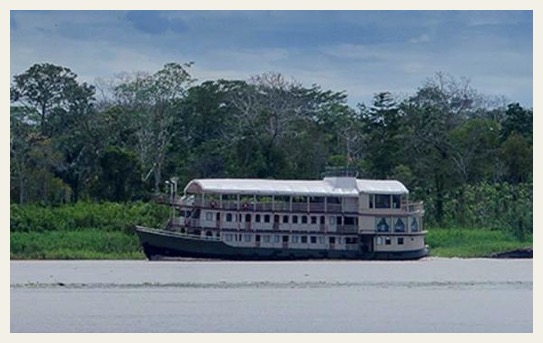
LA AMATISTIA CRUISE
(Iquitos to the Pacaya Samiria National Reserve)
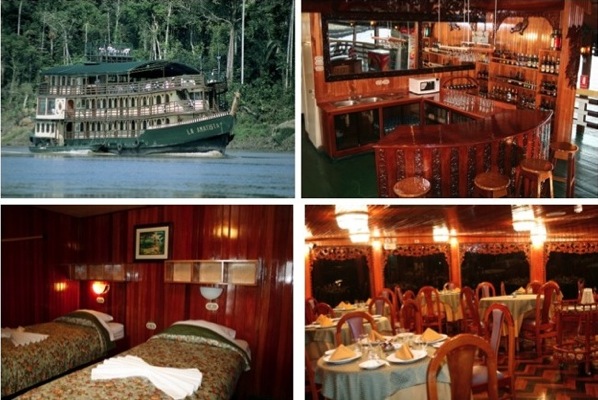
This classic Amazon riverboat was remodeled in 2012 to all "suite" cabins. The M/V La Amatista offers a 9-days cruise package that includes 6 nights onboard ship, 2 overnights in Lima, and domestic airfare from Lima - an excellent travel value for exploring in the Amazon!
La Amatista Riverboat

M/V LA PERLA
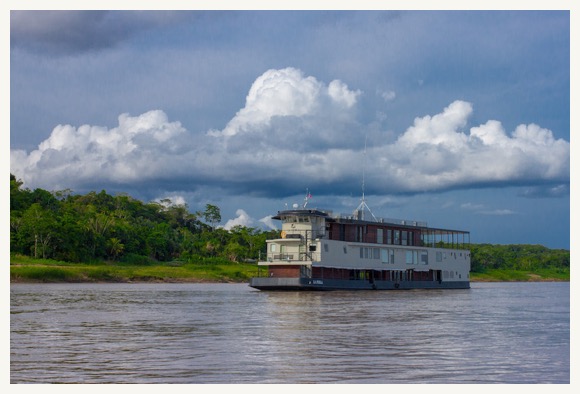
LA PERLA AMAZON RIVER CRUISES
(Iquitos to the Pacaya Samiria National Reserve.)
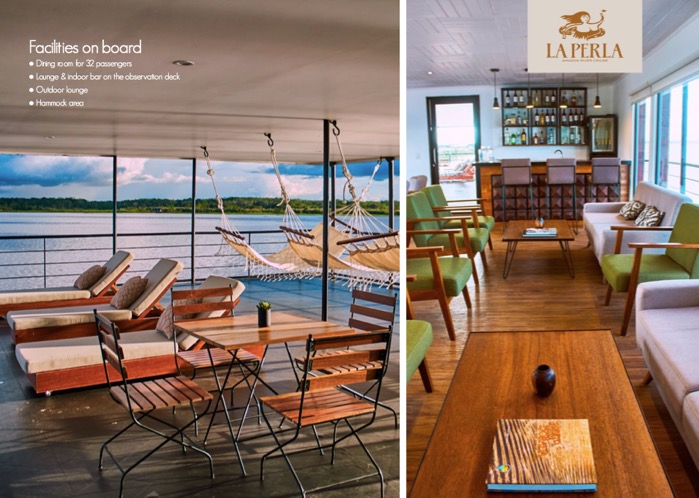
Your choice of 4 or 7 days, affordable Amazon River cruise itineraries, including all meals, airport transfers and jungle excursions. The ship has 14 cabins. In addition to joining set departures, the ship is perfect for private charters by families, friends, and groups.
M/V La Perla Riverboat

LA ZAFIRO
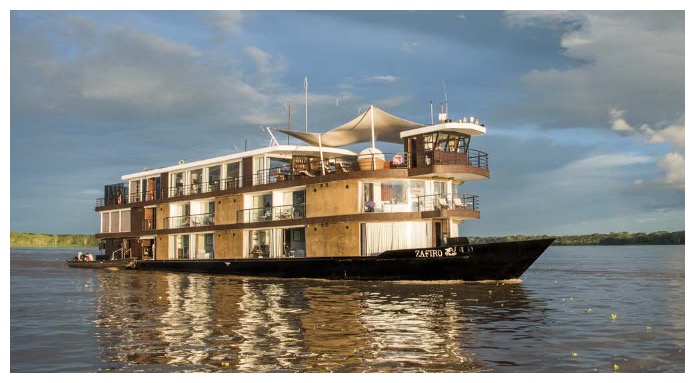
ZAFIRO AMAZON CRUISE
(Iquitos to the Pacaya Samiria National Reserve)
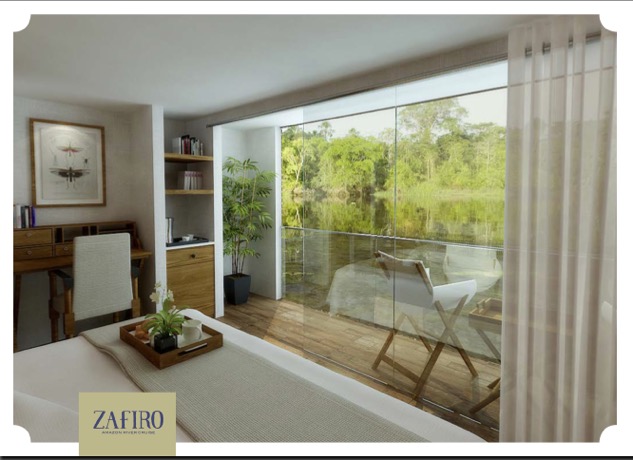
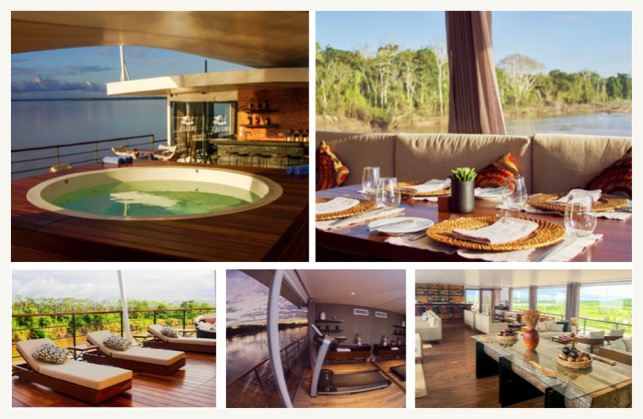
The Zafiro offers 4-day, 5-day and 8-day Amazon River cruise itineraries in the Pacaya Samiria National Reserve region. The twenty luxurious suites include air conditioning, private bathroom and 21-23 square feet of comfort, privacy and tranquility. Four of them are interconnected for family use and 4 give a view of 90 degrees. With independent balconies and panoramic floor to ceiling windows, the suites offer beautiful views of the landscape.
La Zafiro Riverboat

M/V CATTLEYA
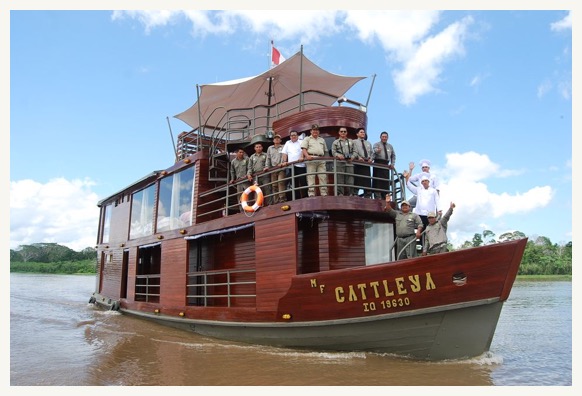
CATTLEYA & SPONDIAS AMAZON RIVER CRUISES
(Iquitos to the Pacaya Samiria National Reserve and now, 8-Day Tres Fronteras cruises from Iquitos, Peru to Leticia, Colombia & Tabatinga, Brazil and back.)
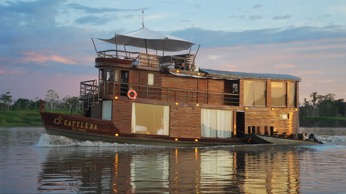
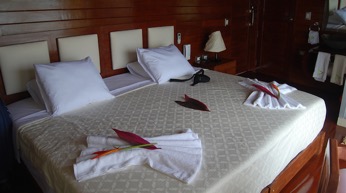
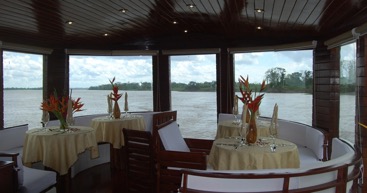
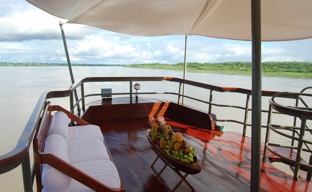
These luxury, boutique Amazon riverboat have only 4 cabins, ensuring upscale personalized and attentive service. Their smaller design allows it to travel tributaries other ships cannot and with a small group the itineraries can better be customized to fit interests of the guests. In addition to joining set departures, the ship is perfect for private charters by families, friends and small groups (best with 6 to 8 participants).
M/V Cattleya Riverboat

M/V AGUA MARINA
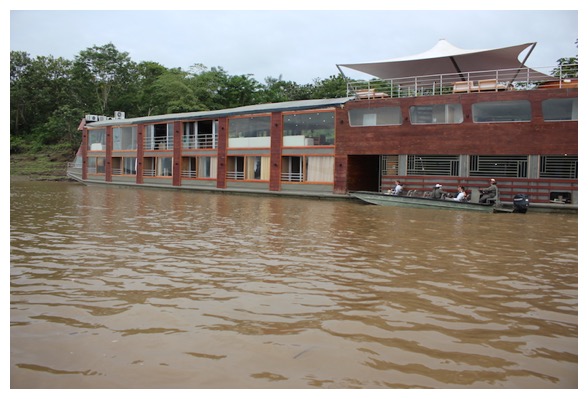
AGUAMARINA AMAZON RIVER CRUISES
Although in operation for many years out of Iquitos on the Amazon River in Peru, the M/V Agua Marina (sometimes called the Aqua Marina) was overhauled and remodeled in mid-2019. The ship offers affordable first-class Amazon River cruises of 4-Days, 5-Days and 8-Days. The ship has 14 cabins and is perfect for private charters in addition for independent travelers to join scheduled departures. The air-conditioned cabins are spacious, with private bathrooms and large floor-to-ceiling windows for incredible views. The large upper deck offers plenty of space for relaxing and viewing.
With a private charter, we can arrange an 8-Days, Tres Fronteras (Three Frontiers) cruises from Iquitos, Peru to Leticia, Colombia & Tabatinga, Brazil and back.
M/V Agua Marina Riverboat
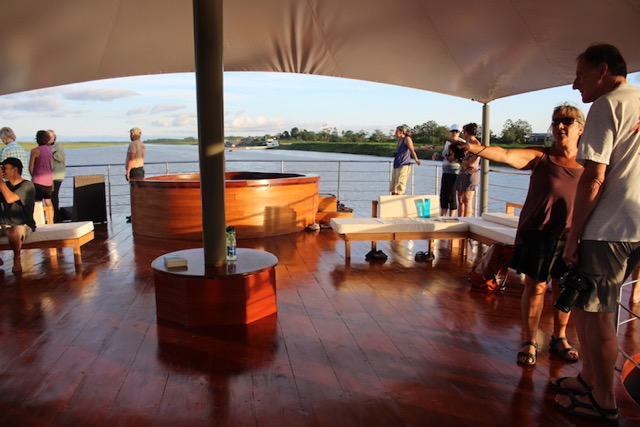

DELFIN III (A new luxury amazon riverboat)
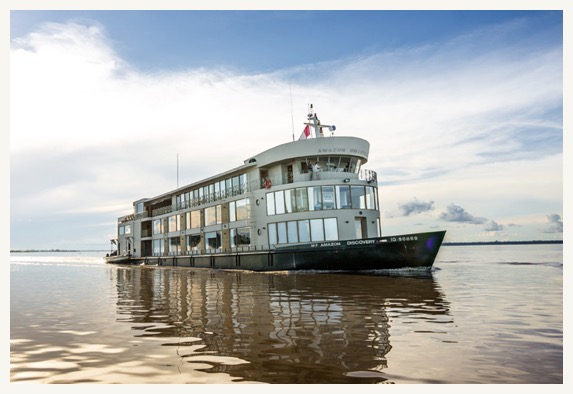
DELFIN III AMAZON CRUISE
(Iquitos to the Pacaya Samiria National Reserve)
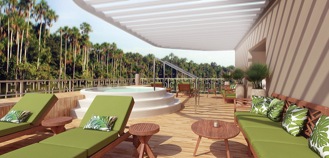
The luxury ship Amazon Discovery offer 4-day, 5 day, and 7-day Amazon River cruise itineraries from Iquitos to the Pacaya Samiria National Reserve region in Peru. The twenty-two luxurious suites offer comfort and premier services.
Delfin III Riverboat
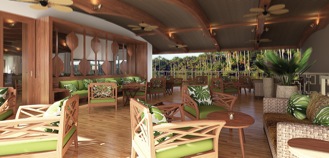



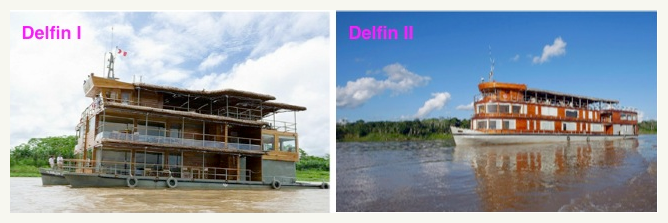
DELFIN I and the DELFIN II
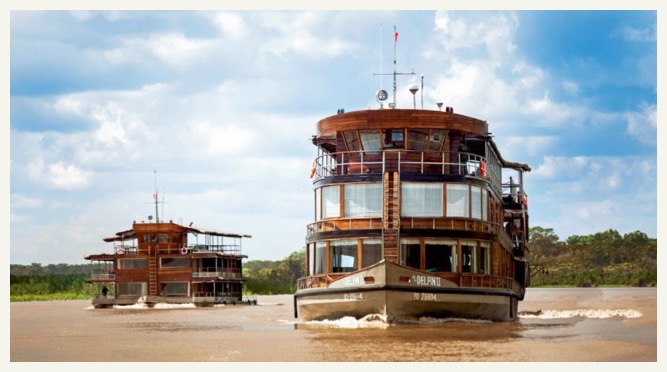
DELFIN AMAZON RIVER CRUISES
(Iquitos to the Pacaya Samiria National Reserve)
These unique ship designs and operations have been painstakingly considered to cater to even the most discerning and seasoned explorers who seek styled, boutique experiences along with authenticity and charm.
Delfin I & Delfin II Riverboats

ARIA
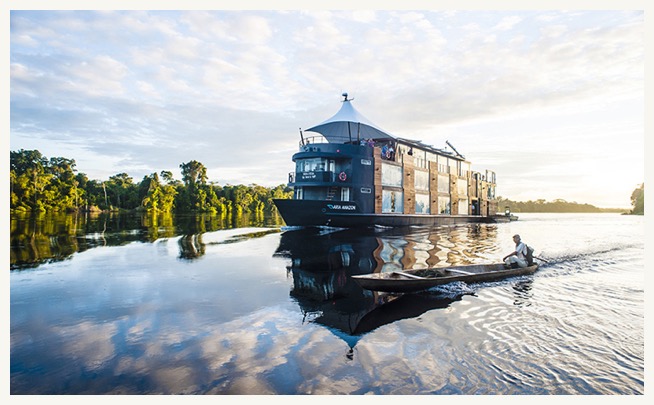
ARIA AMAZON RIVER CRUISES
(Iquitos to the Pacaya Samiria National Reserve)
Explore the Amazon’s remote waterways in style aboard this award winning, custom-designed 5-star vessel. Operated by Aqua Expeditions, pioneers of luxury ship cruises in the Amazon of Peru.
Aria Riverboat
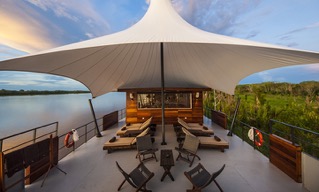
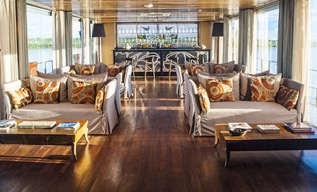

AQUA NERA
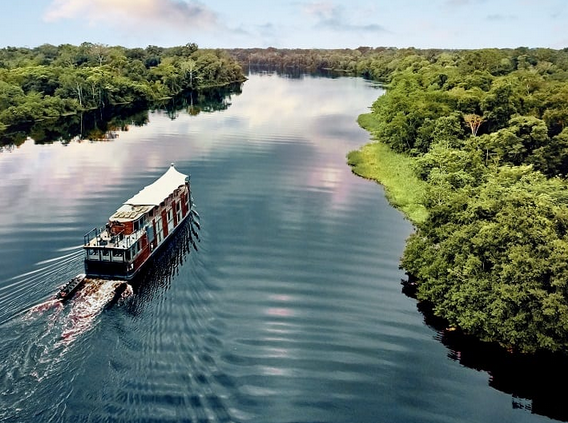
AQUA NERA AMAZON RIVER CRUISES
(Iquitos to the Pacaya Samiria National Reserve)
Explore the Amazon’s remote waterways in style aboard this award winning, custom-designed 5-star vessel. Operated by Aqua Expeditions, pioneers of luxury ship cruises in the Amazon of Peru.
Aqua Nera Riverboat
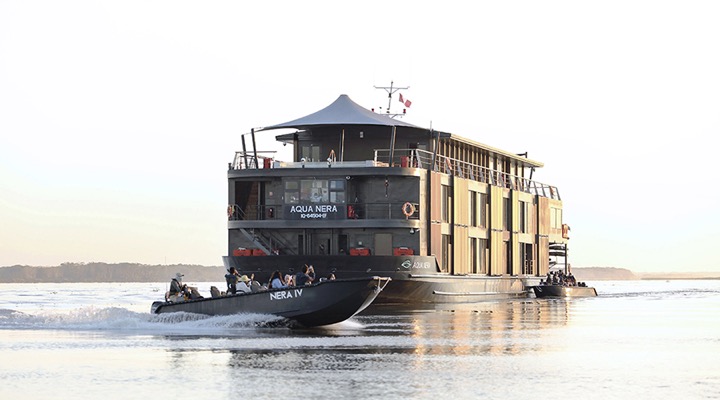


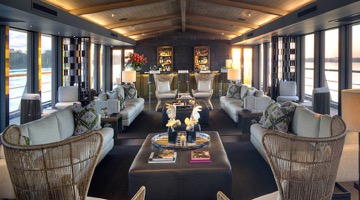
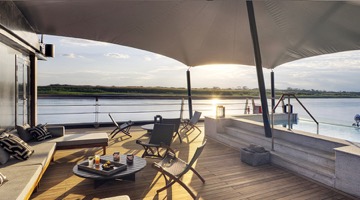

M/V RIO AMAZONAS
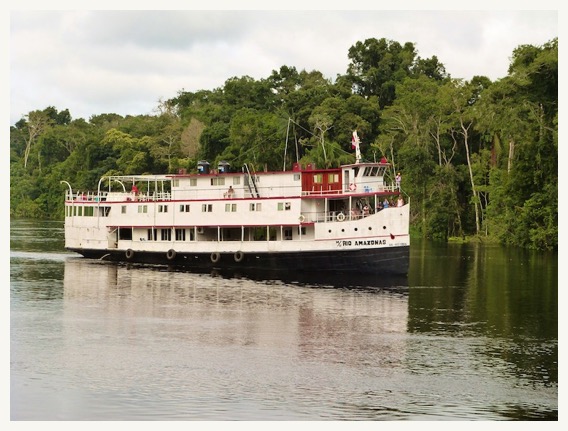
M/V RIO AMAZONAS Charter
(From Iquitos or Nauta)
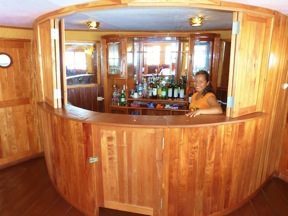
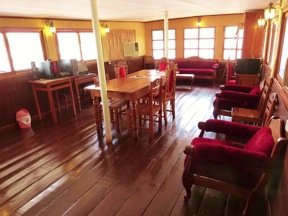
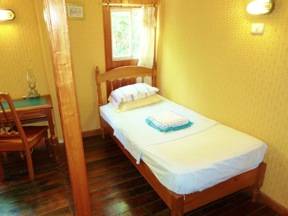
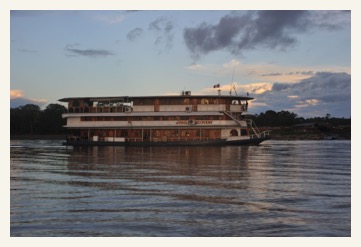
Yes, the M/V Rio Amazonas of days of old is back - and better than ever! The grand old ship has recently been remodeled and much of it restored. It is now available charters to groups, organizations and institutions for private explorations with custom itineraries and for research and field schools.
M/V Rio Amazonas Riverboat
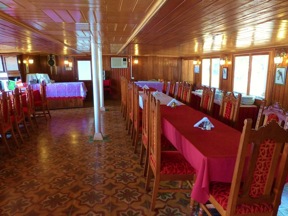

 Private River Boat Charters
For families gatherings, Alumni travel, incentive travel, schools, nature organizations, and small private groups (from 6 to 30 participants) we can arrange for your own Amazon riverboat that suits your needs with custom itinerary to suit your interests. Imagine a sailing with your own private party or field school on the Amazon River!

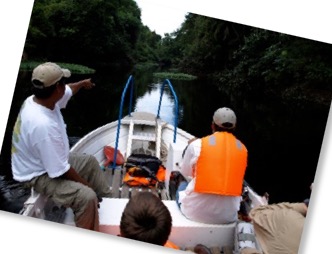
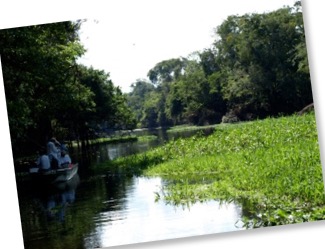
The area of the Amazon rainforest – roughly 2.3m square miles – is larger than Western Europe and the forest stretches over nine countries: Brazil, Peru, Colombia, Bolivia, Ecuador, French Guyana, Guyana, Surinam and Venezuela. There are approximately 1,250 tributaries that service the main river, 17 of which are more than 1,000 miles long. The river is bigger in volume than its six nearest rivals combined and discharges into the ocean about 20% of the total freshwater of all the rivers in the world. Roughly a fifth of the earth's oxygen is produced in the Amazon rainforest and more than two-fifths of all the species in the world live there. You can find over 200 species of tree in a single hectare of Amazon rainforest and one tree can be home to 72 different species of ants alone. Over its 4,000-mile length, no human bridge crosses the Amazon river.
Iquitos has a population of well over 350,000, and is Peru’s largest jungle city, although Pucallpa has grown rapidly in recent years and now vies with Iquitos for this title. However, there is little doubt that Iquitos is the  most interesting of the jungle cities, and in its heyday it was one of the grandest cities in the whole of the Amazon basin.
The jungle area around Iquitos was quite densely populated before the arrival of the Spanish in the 16th century, and it is estimated that there could have been as many as 300,000 natives living here. However, the arrival of the Spanish, and European diseases with them, decimated the population. The first European to see the Amazon River was the conquistador Francisco de Orellana, who arrived at the river on 12 February 1542, after having left from the Peruvian highlands.
Although missionaries moved into the area, the jungle was largely ignored by the Spanish, and it was only in 1864 that Iquitos was founded. The city quickly found itself at the centre of world interest, as the process of vulcanisation made the rubber tree, indigenous to the Iquitos area, one of the most valuable commodities in the world. Iquitos prospered in the rubber boom, and much wealth was created in this period, when the rubber barons were born. However, this wealth did not last, and when seeds of the rubber tree were smuggled out of Peru, the monopoly enjoyed by Iquitos ended.
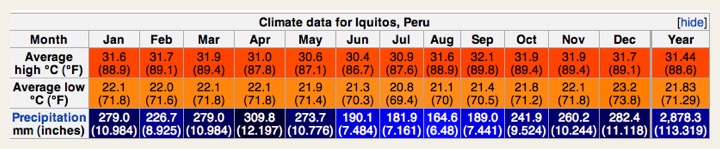
Unlike in most of the Peruvian Amazon, Iquitos does not have distinct dry and rainy seasons as it is so close to the equator. Instead, it can rain throughout the year,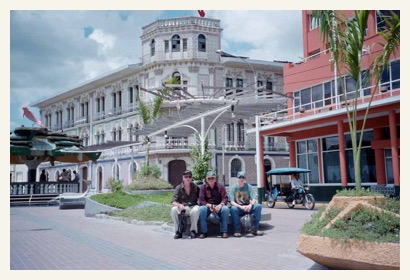 but it is unusual for there to be several days of uninterrupted rain. Therefore, the area is a good jungle destination at all times. Despite the uniformity of rainfall in Iquitos, the water level of the Amazon River varies tremendously throughout the year. This is affected by the rainfall in the areas feeding the tributaries of the Amazon, and the Amazon River increases in width by several hundred meters between the months of November and April.

PACAYA SAMIRIA NATIONAL RESERVE
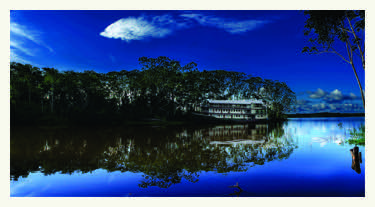
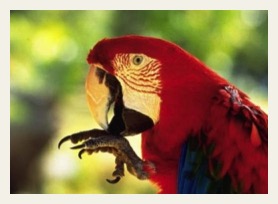
There are 350 bird species like Toucans and Blue, Yellow and Red Macaws. All this, plus the 150 reptiles of 20 families, makes the forest one best tourist trips in the world for the diversity in wildlife sightings. Of great importance to the
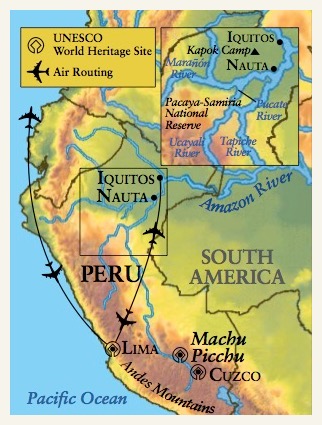
A cruise to the Reserve offers the opportunity to learn about new cultures and to explore the mysterious and magic world of the Amazon forest. It offers a variety of activities, as diverse as the forest itself. Along with excellent bird and wildlife viewing, you can witness a countless variety of plants, go fishing, save memories with photographs, admire the Pink River Dolphins, learn about Shamanism and medicinal plants, all while observing life on the Amazon River.

NOTE: You are welcome to add overnights in Iquitos before or after the Amazon cruise. We normally use the Hotel Dorado Plaza. We also arrange trip extensions for day tours to such places as: Manatee Rescue Center, Museum of Indigenous Amazonian Cultures, Ayapua Historic Ships Museum, Quistococha Zoo, Pillpintuwasi Butterfly Farm and Animal Orphanage, Fundo Pedrito in Barrio Florido village, Monkey Island, Belen Market, Boras Indian village, the Allpahuayo-Mishana National Reserve and more. All our Amazon tours may be combined with other explorations in Peru.
Return to the top of this webpage :)